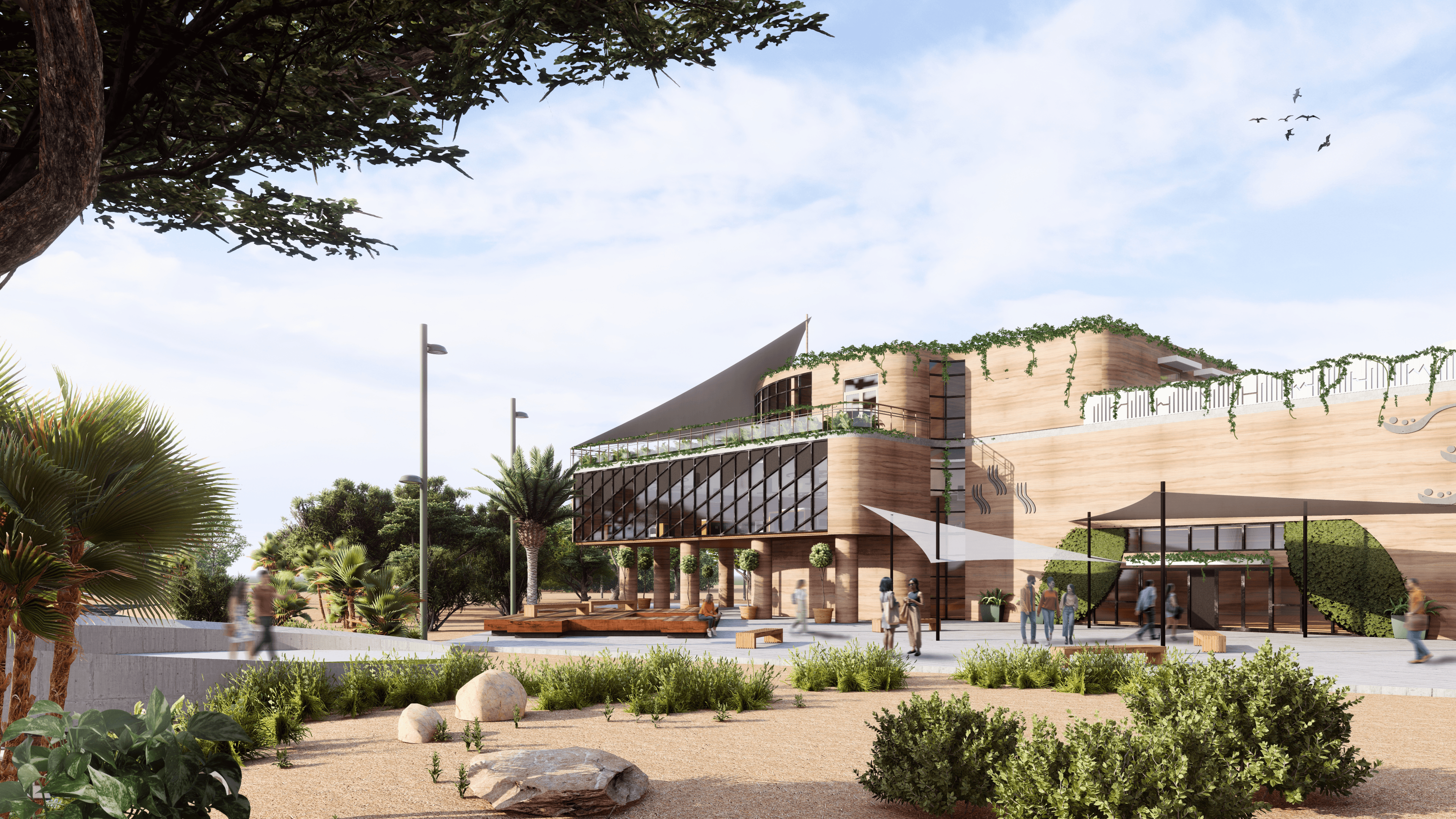
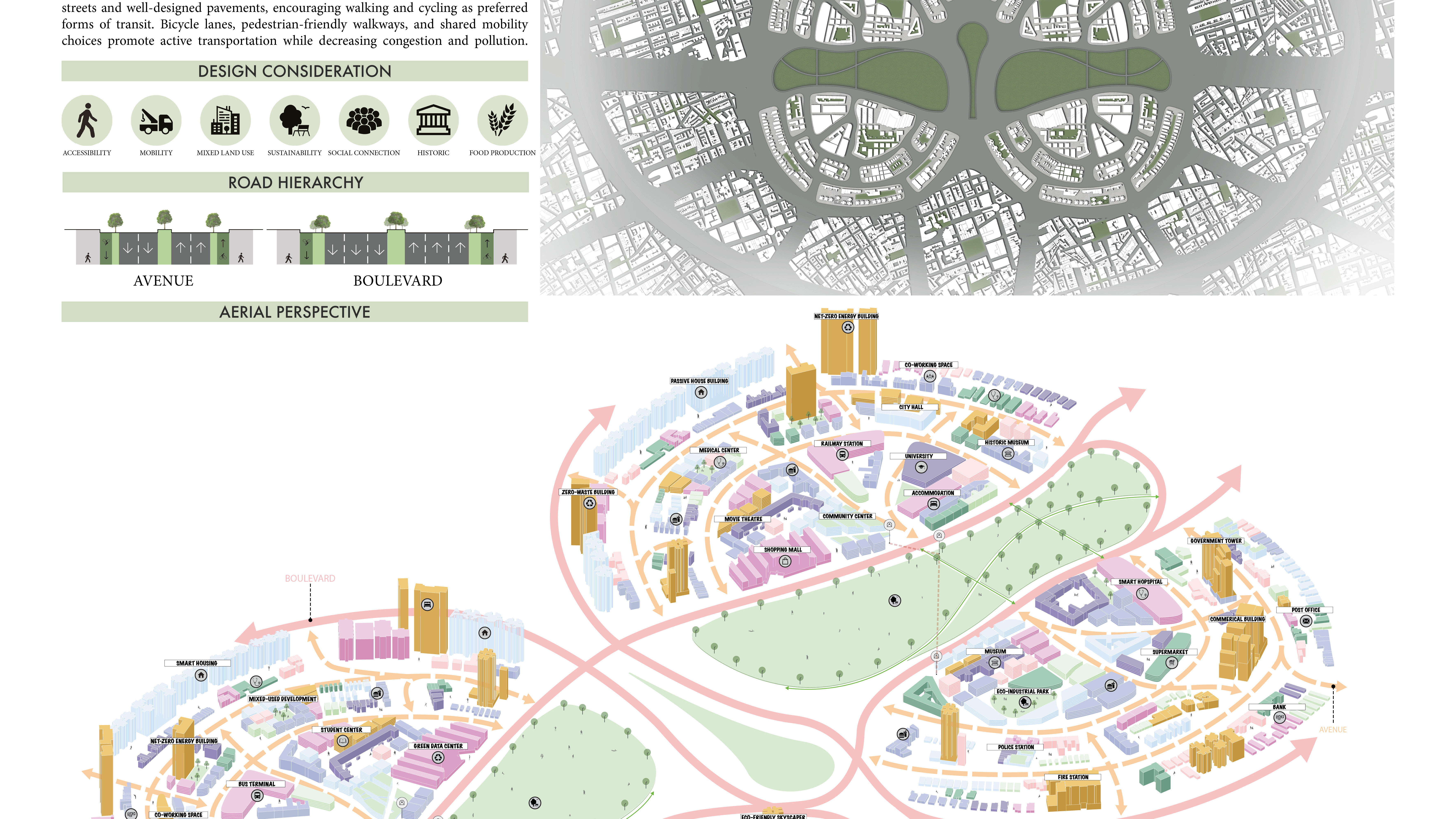
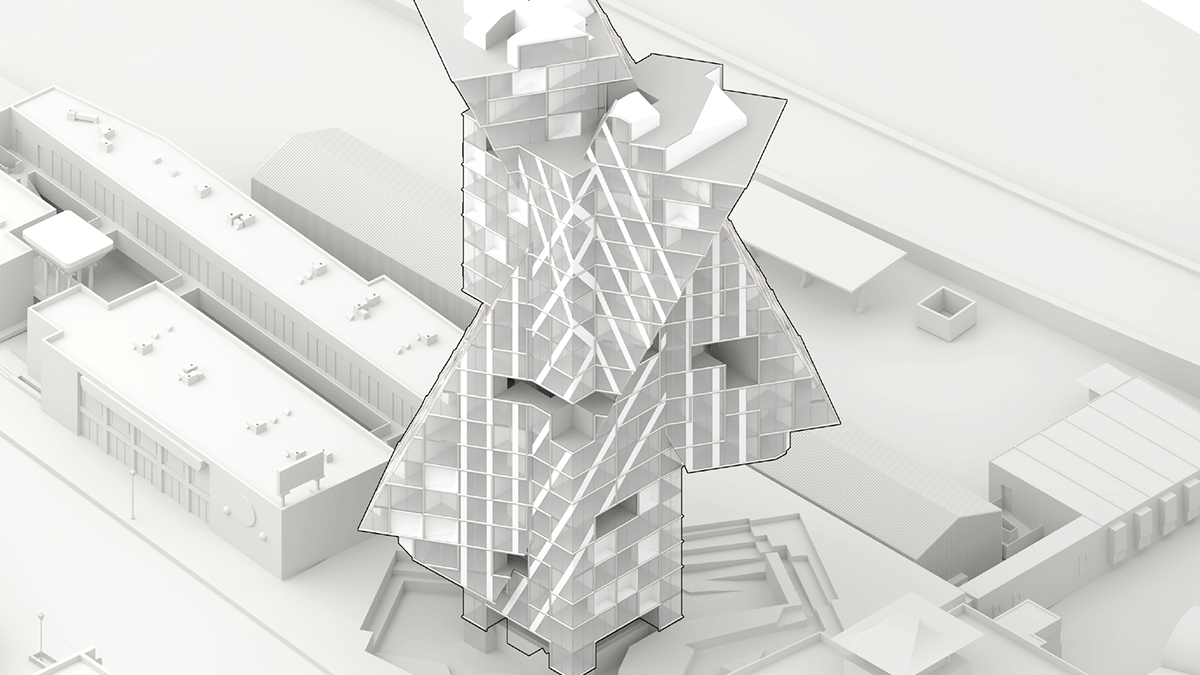
Architectural Design: Tectonics Academic Project - The University of Edinburgh - 2026
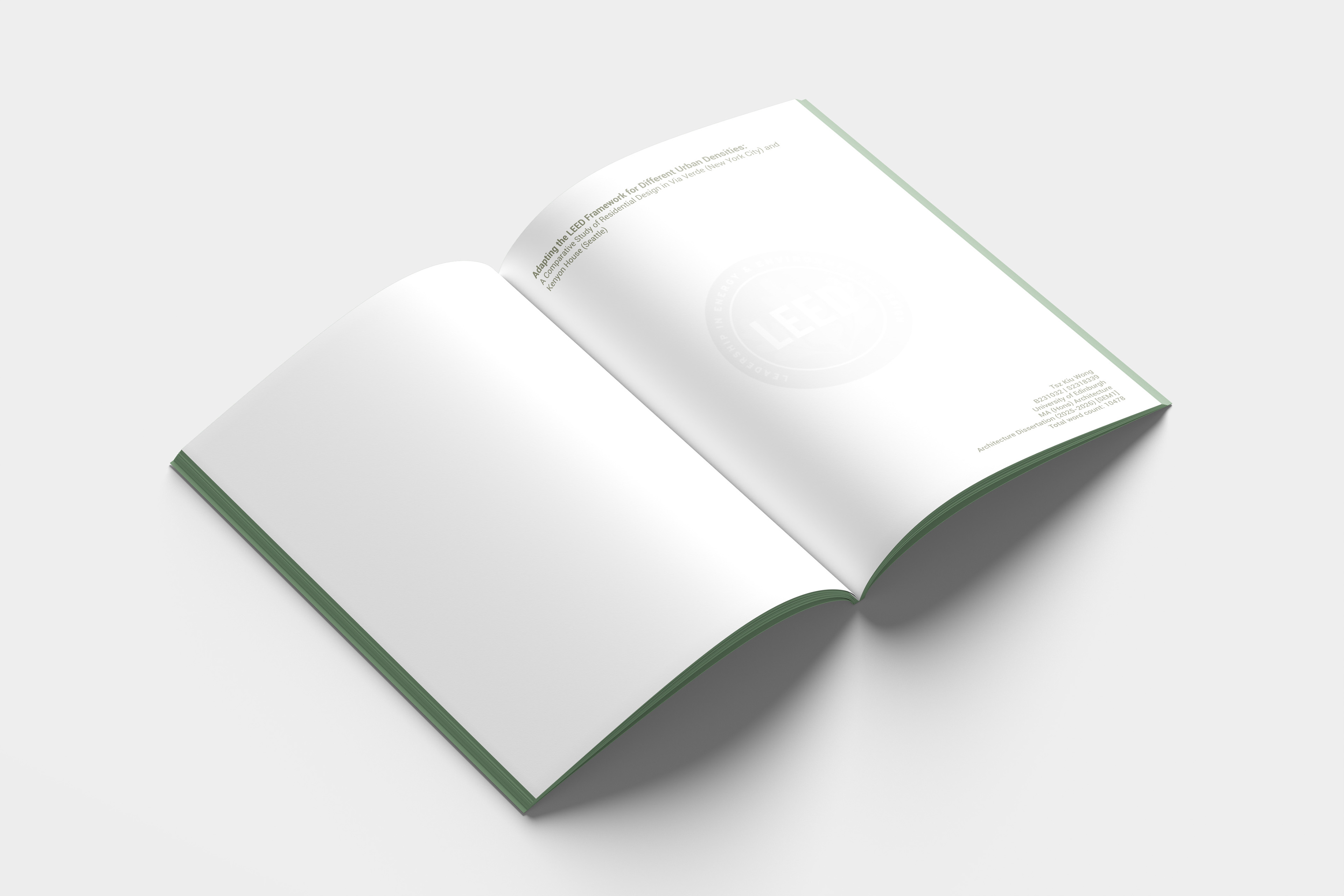
Adapting the LEED Framework for Different Urban Densities:
A Comparative Study of Residential Design in
Via Verde (New York City) and Kenyon House (Seattle)
This dissertation investigates how urban density affects the interpretation and viability of the Leadership in Energy and Environmental Design (LEED) framework for residential building. The paper uses a comparative case study of Via Verde in New York City (high density) and Kenyon House in Seattle (low density) to evaluate how design teams prioritise and reinterpret LEED credits under varying spatial contexts.
The study, which focusses on Sustainable Sites, Energy and Atmosphere, and Indoor Environmental Quality, shows that density-dependent restrictions shape LEED performance outcomes more than environmental ambition alone.
The findings demonstrate structural biases in LEED that benefit low-density areas, emphasising the need for increased contextual sensitivity. The research concludes by proposing density-responsive LEED modifications and investigating the complementing function of the WELL Building Standard in addressing human-centered performance in dense urban housing.
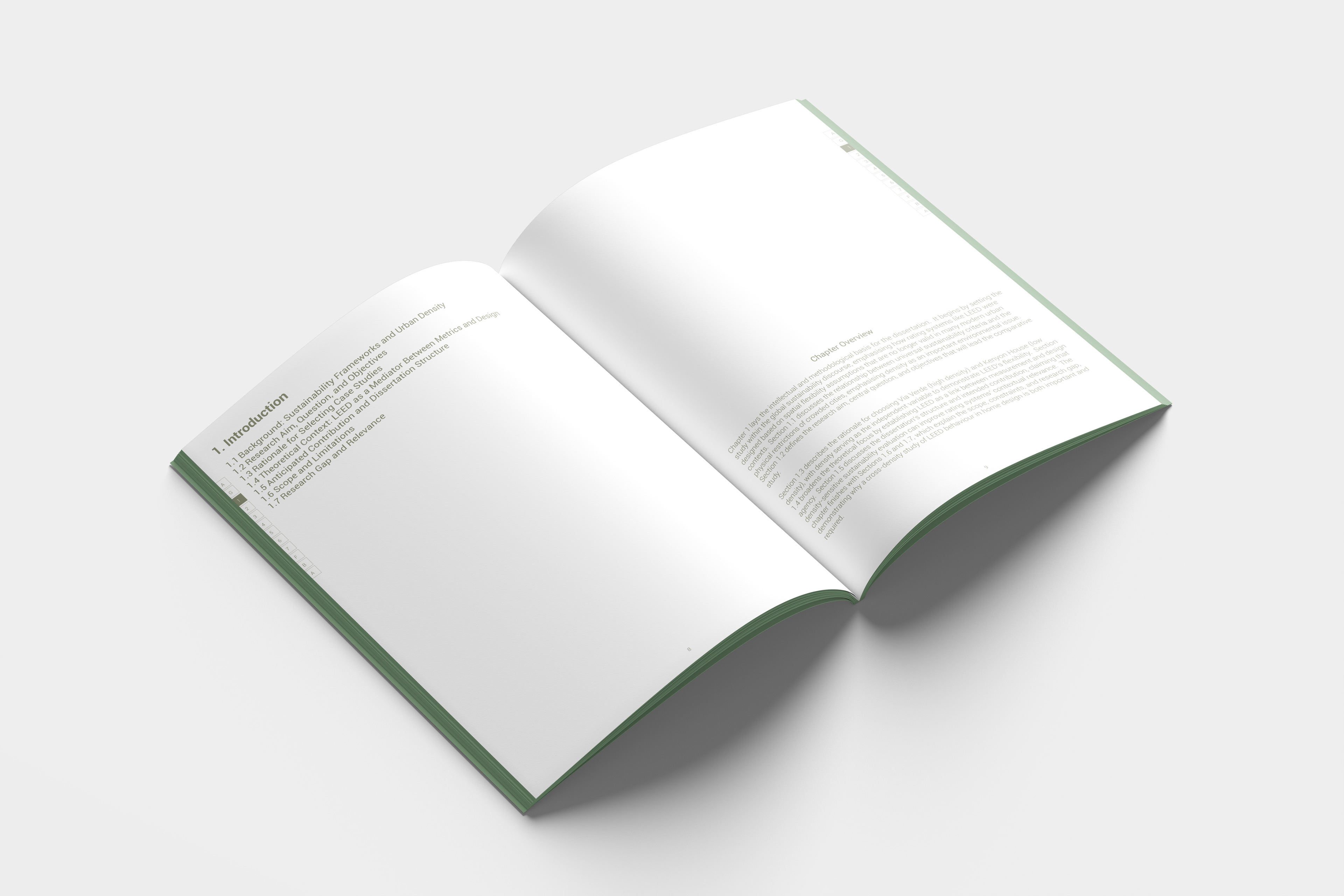
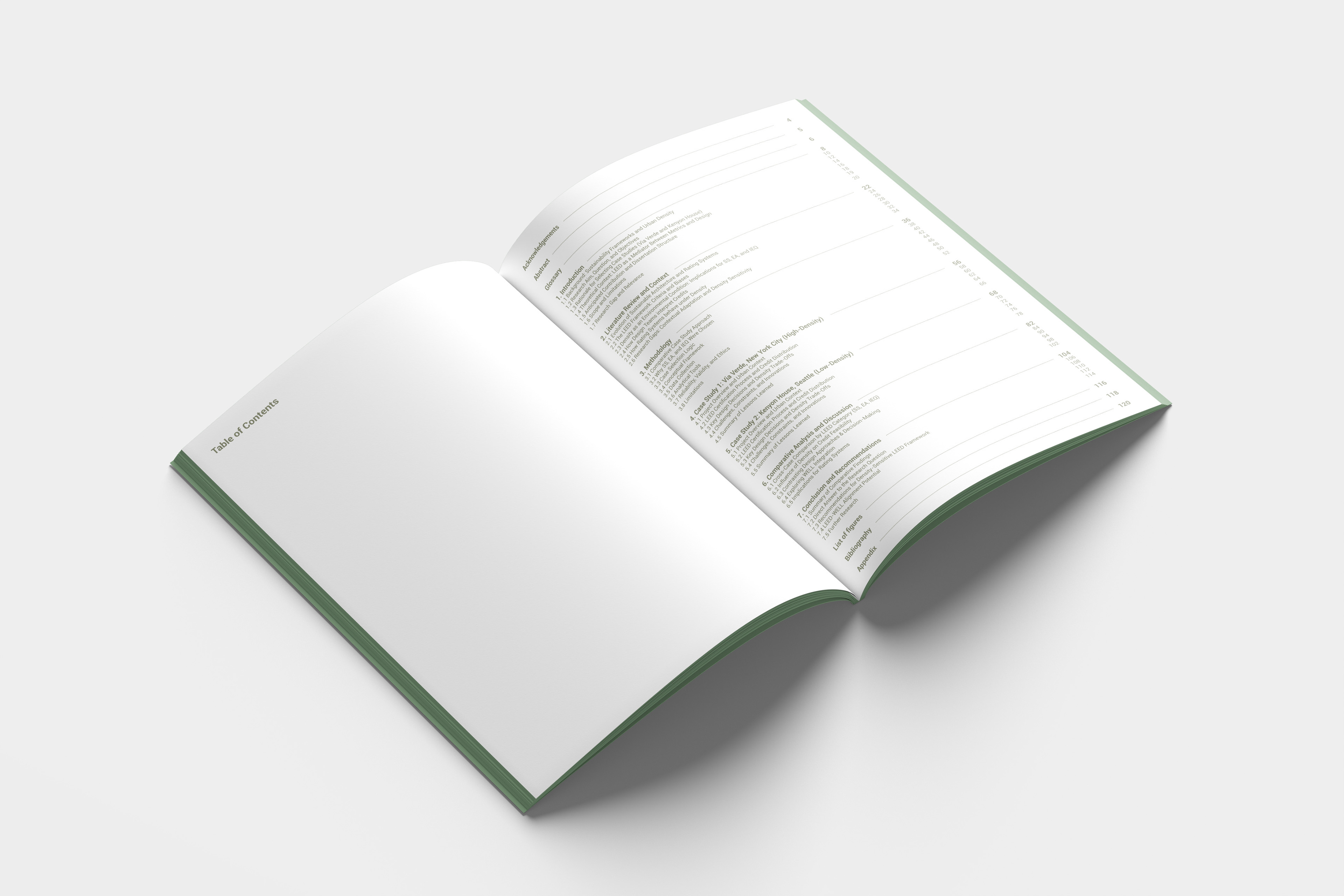
Chapter 1: Introduction
This chapter establishes the research context, explaining how sustainability rating systems such as LEED interact with urban density. It introduces the main research question, the comparison between Via Verde and Kenyon House, and the dissertation’s aim to examine whether LEED can adapt fairly across different residential density conditions.
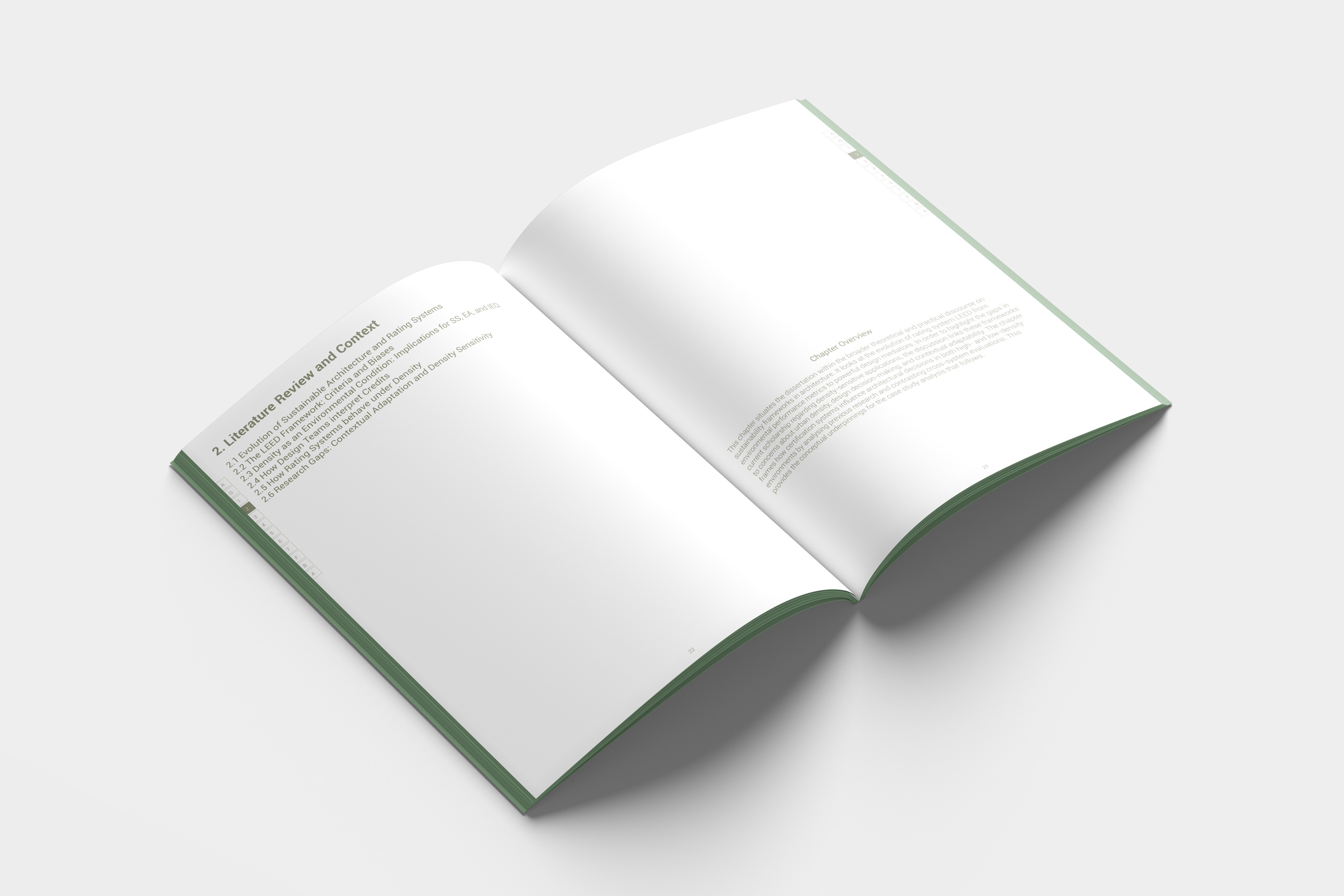
Chapter 2: Literature Review and Context
This chapter reviews the development of sustainable architecture and environmental rating systems, focusing on LEED, WELL, and BREEAM. It identifies how rating frameworks often rely on assumptions of land availability, solar access, and building autonomy, which can become problematic in dense urban housing.
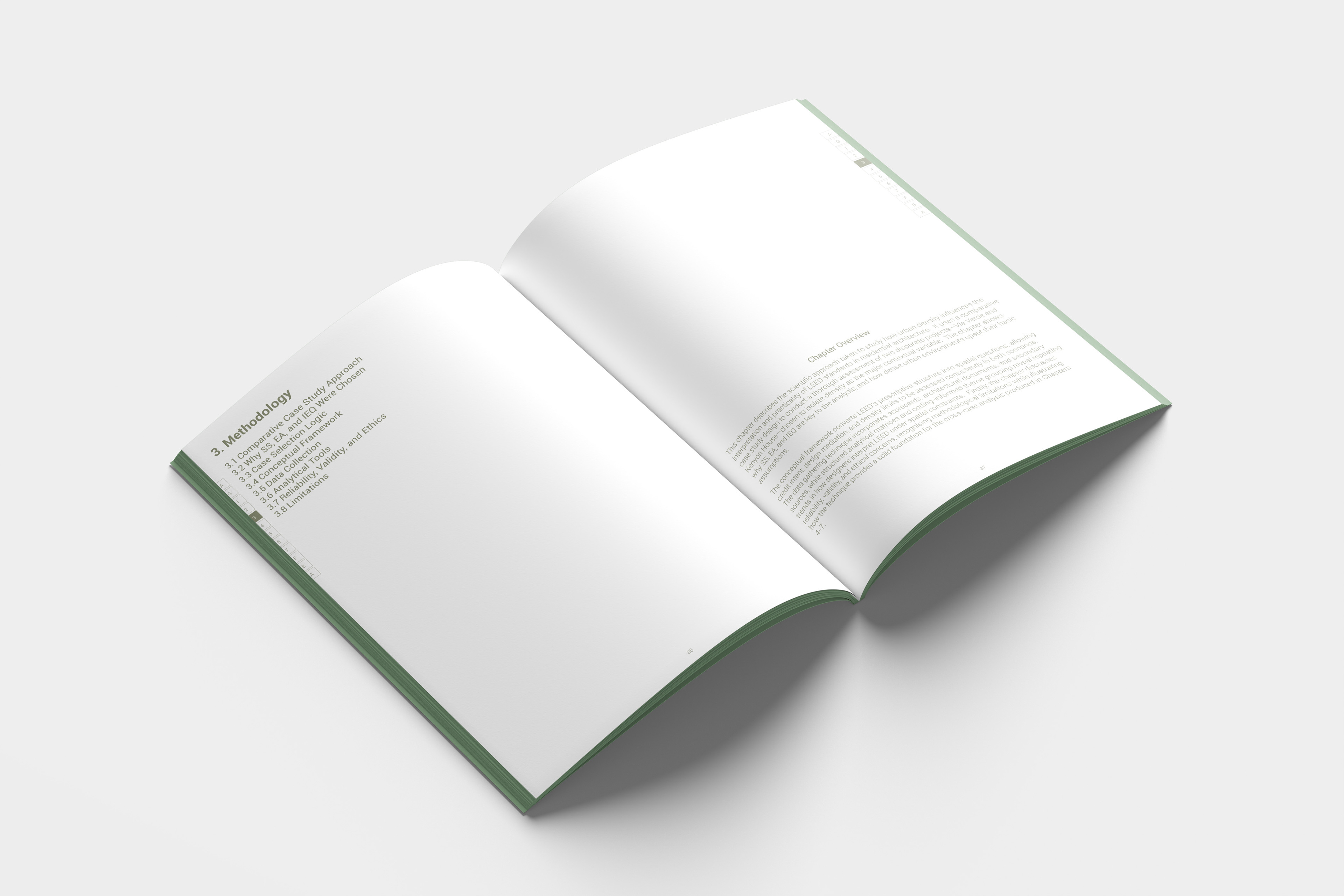
Chapter 3: Methodology
This chapter explains the comparative case study method used to analyse Via Verde and Kenyon House. It focuses on three LEED categories: Sustainable Sites, Energy and Atmosphere, and Indoor Environmental Quality, using these as lenses to examine how density affects credit feasibility, design decisions, and sustainability interpretation.
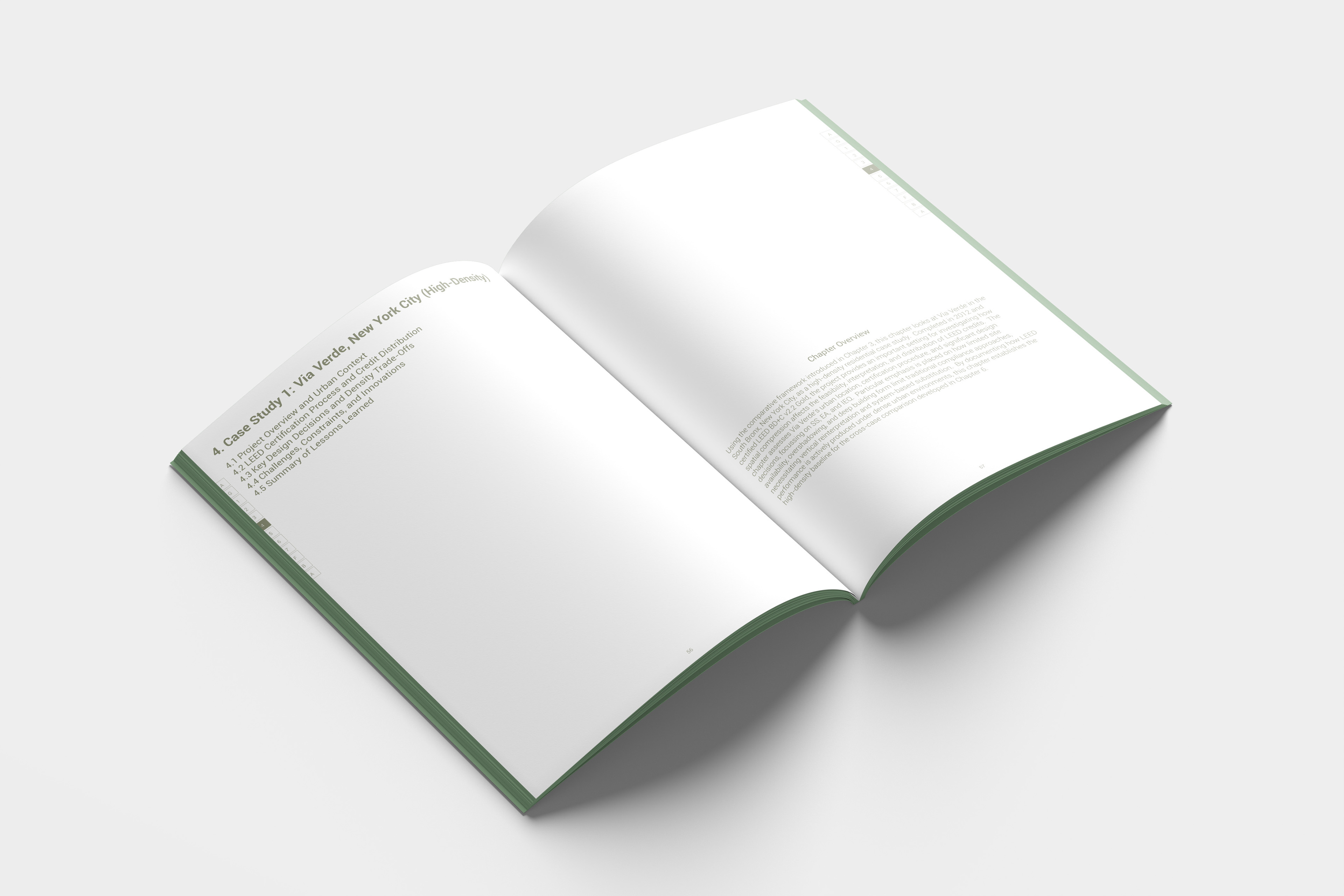
Chapter 4: Case Study 1: Via Verde, New York City
This chapter studies Via Verde as a high-density residential project in the South Bronx. It analyses how the project responds to land scarcity, overshadowing, and limited ground-level open space through strategies such as stepped massing, rooftop gardens, vertical greening, photovoltaic arrays, and shared infrastructure.
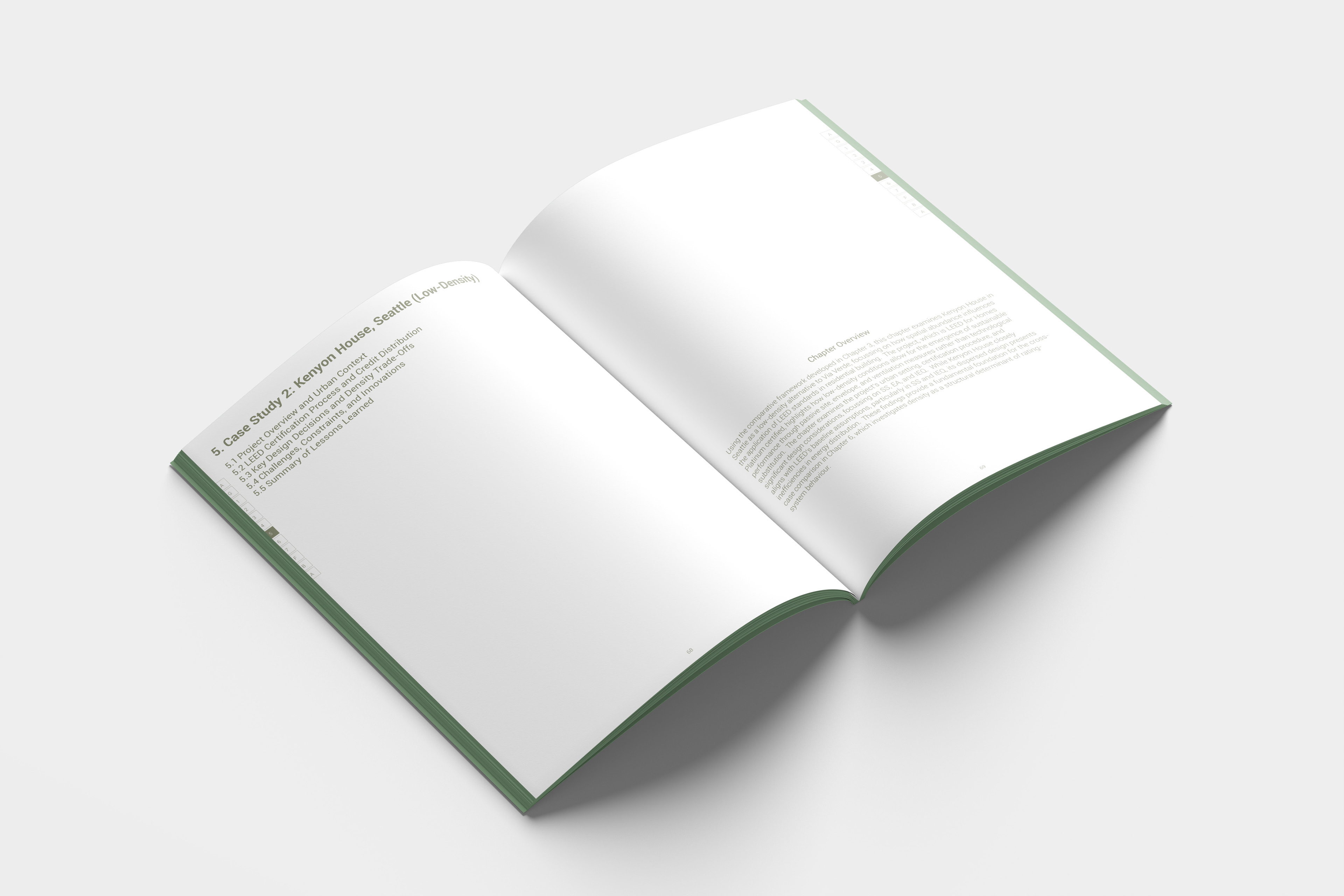
Chapter 5: Case Study 2: Kenyon House, Seattle
This chapter examines Kenyon House as a low-density residential case study. It shows how its larger site, lower building form, better solar access, natural ventilation, and ground-level landscape allow LEED credits to be achieved more directly, revealing how low-density conditions often align more easily with LEED assumptions.
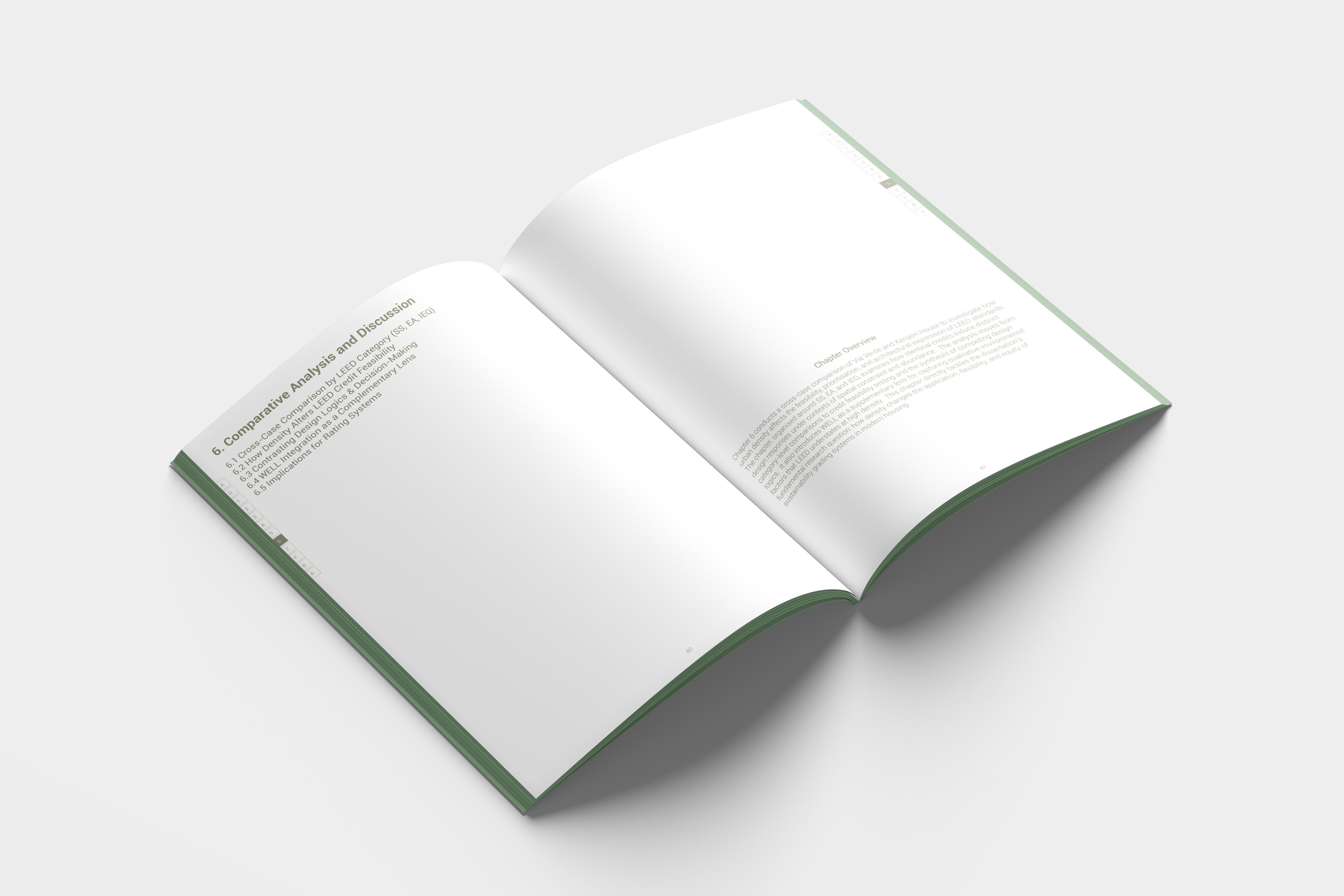
Chapter 6: Comparative Analysis and Discussion
This chapter compares the two case studies across Sustainable Sites, Energy and Atmosphere, and Indoor Environmental Quality. It argues that density changes not only the difficulty of achieving LEED credits, but also the meaning of sustainability itself: low-density projects often rely on spatial abundance, while high-density projects require reinterpretation and design innovation.
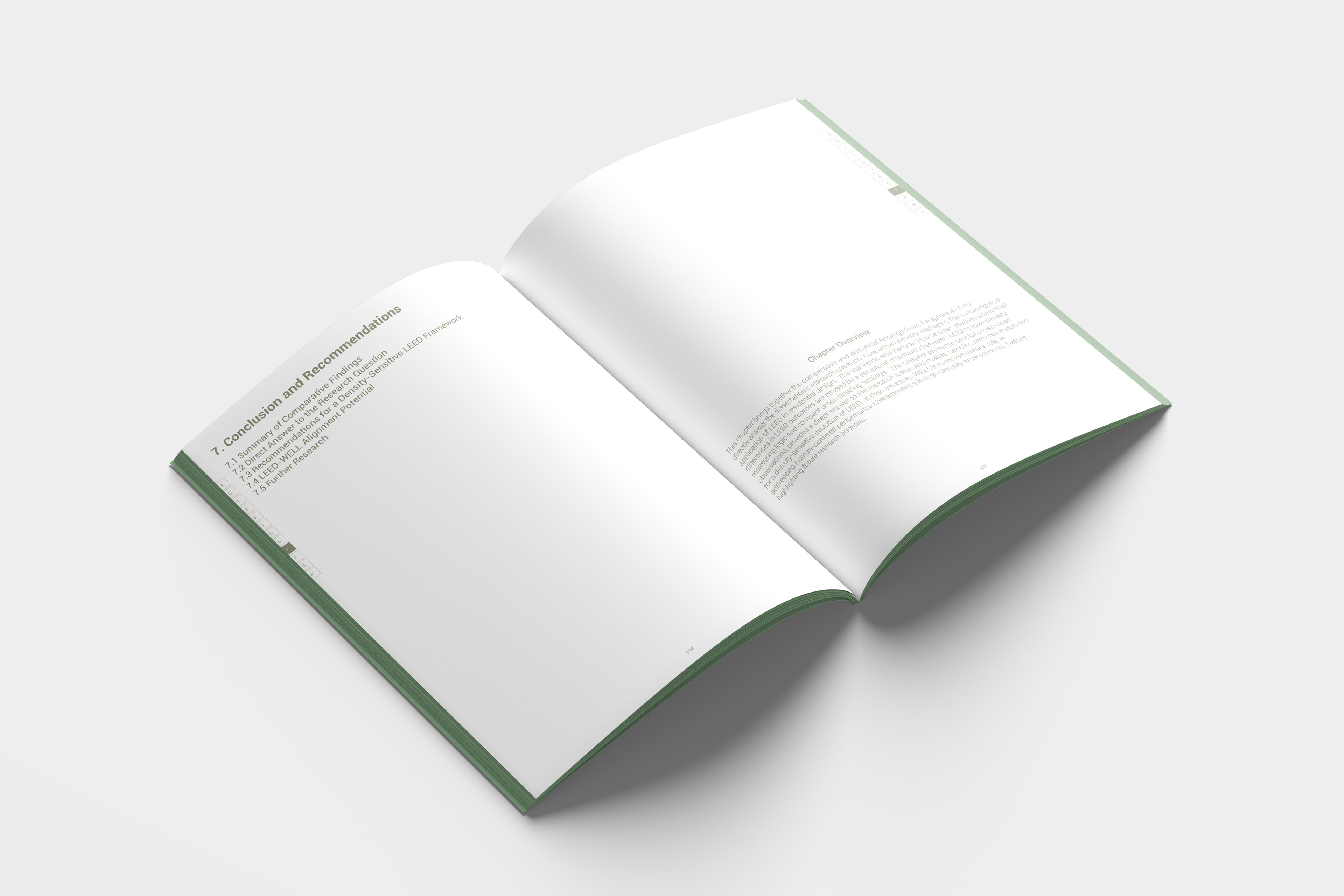
Chapter 7: Conclusion and Recommendations
This chapter answers the main research question and summarises the dissertation’s findings. It concludes that LEED should become more density-sensitive, recognising vertical landscapes, shared systems, compact urban efficiency, and human-centred performance. It also suggests that WELL can help address some of LEED’s blind spots around comfort, health, and lived experience.
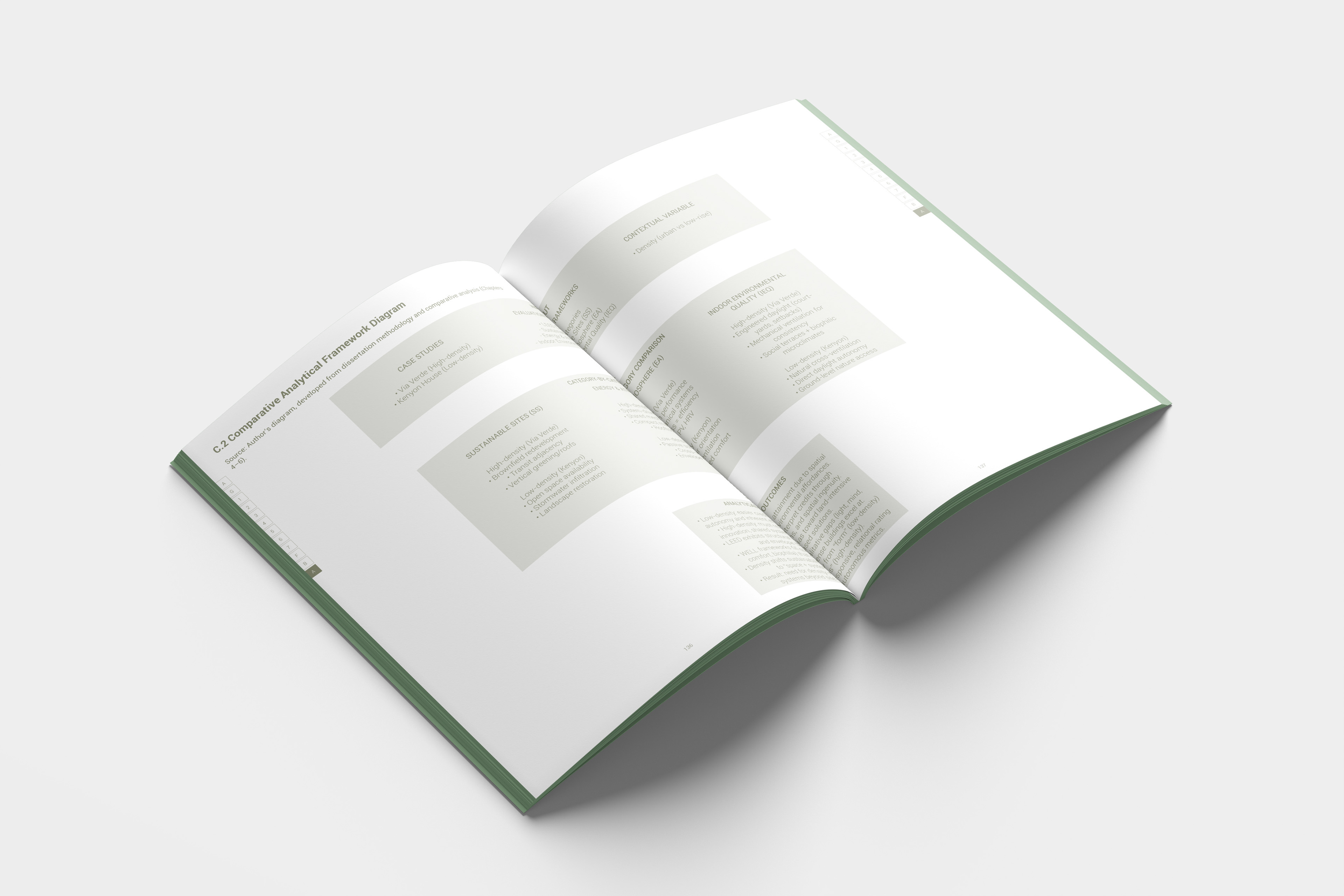
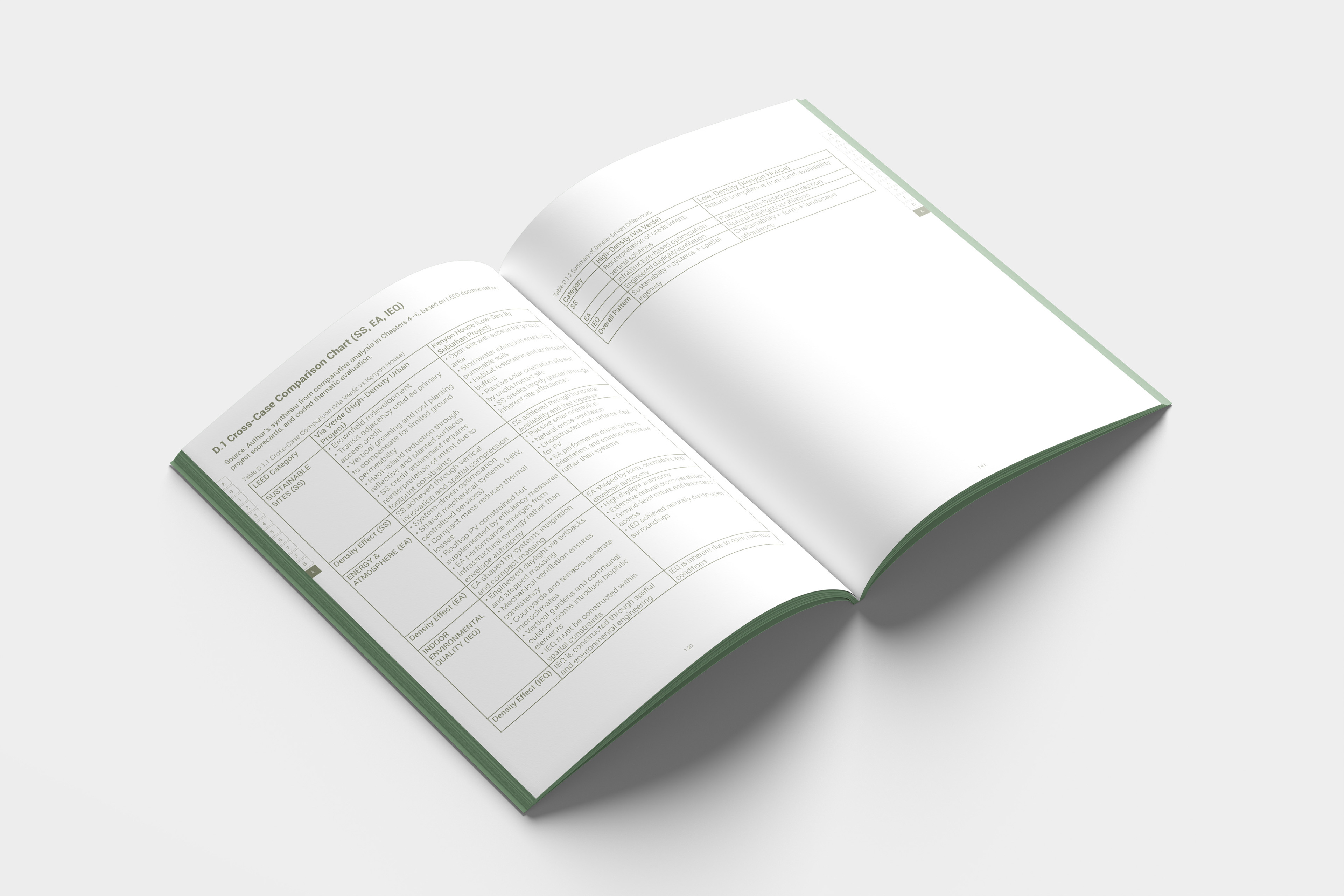
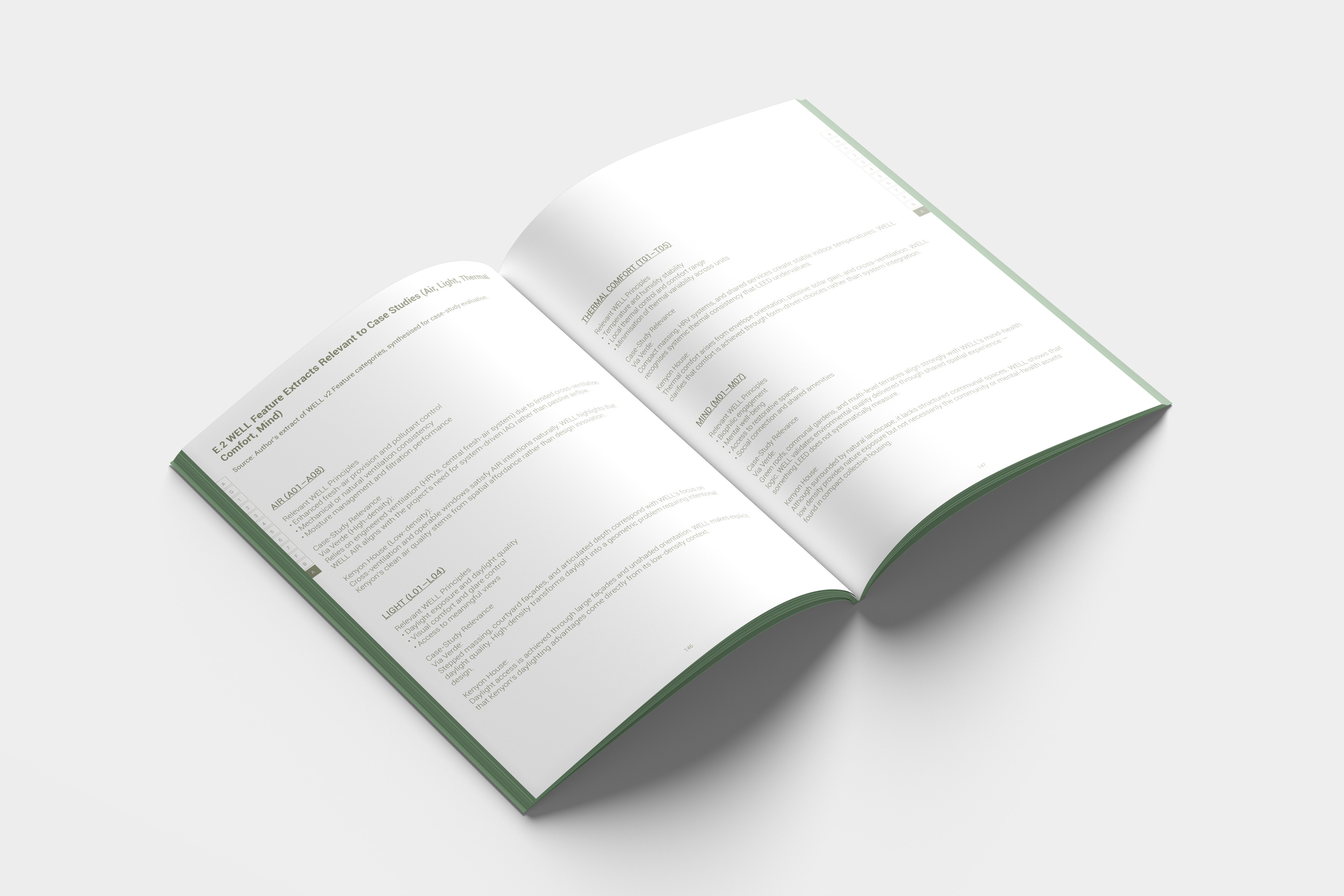
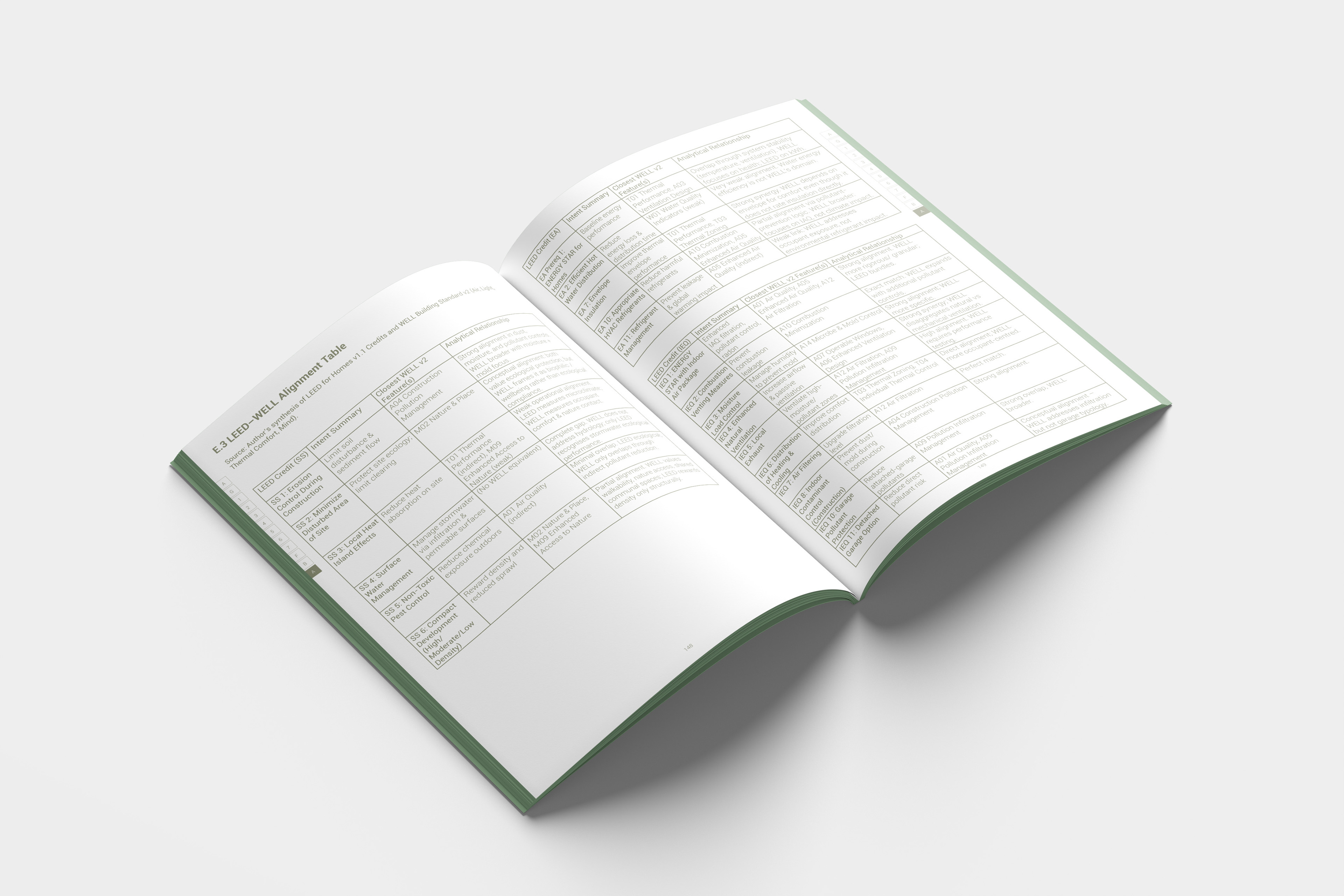
This study reveals how density substantially alters the feasibility and interpretation of LEED credits. In low-density areas, SS, EA, and IEQ credits are frequently obtained through direct environmental exposure. In contrast, high-density housing has structural limitations to the same credits because to restricted ground plane, overshadowing, and spatial compression. Thus, density not only influences performance outcomes, but it also affects which credits are physically reachable.
Density also reverses the concept of sustainability in LEED. In low-density areas, sustainable performance is viewed as an extension of current environmental benefits including sunshine, circulation, and open space. In high-density environments, sustainability is an engineering process that relies on mechanical ventilation, shared infrastructure, vertical ecological building, and system integration. Passive design therefore evolves from a base state to a design problem that must be created rather than inherited.
These disparities highlight a fundamental shortcoming of LEED: its credit rationale is based on geographical assumptions like as horizontal land availability, perimeter exposure, and solar access. These assumptions are inherently compatible with low-density development, but when applied to compact dwelling types, they create structural unfairness.
Finally, wellbeing study shows that WELL incorporates qualitative environmental characteristics that LEED under-represents in high-density areas, notably Air, Light, Thermal Comfort, and Mind. Together, these data indicate density as the major factor influencing how sustainability is evaluated and produced.
Bibliography
1. Abellán Guallarte, Alejandro. “Energy Analysis between Traditional Hot Water Circulation System and an Innovative Pipe-In-Pipe System.” Master’s Thesis, 2022.
2. Archdaily. “Via Verde / Grimshaw + Dattner Architects.” ArchDaily, March 11, 2014. https://www.archdaily.com/468660/via-verde-dattner-architects-grimshaw-architects.
3. ASHRAE Standard, ANSI/ASHRAE/IESNA Standard 90.1-2007. Atlanta, GA: American Society of Heating, Refrigerating and Air-Conditioning Engineers (ASHRAE), 2007.
4. Awolesi, Oluwafemi, Fatemeh Ghafari, and Margaret Reams. “Indoor Environmental Quality Assessment in the Built Environment: A Critical Synthesis of Methodologies and Energy Integration Practices.” Energy and Built Environment, September 20, 2025. https://doi.org/10.1016/j.enbenv.2025.09.002.
5. BRE Group. BREEAM International New Construction 2022 Technical Manual. Watford: BRE Press, 2024.
6. Bright Power. “Designing a Landmark via Verde,” January 2019. https://brightpower.com/wp-content/uploads/2019/01/Via-Verde-Web-Version_Bright-Power.pdf.
7. Brundtland, Gro Harlem. “Report of the World Commission on Environment and Development: Our Common Future.” United Nations, March 20, 1987. https://sustainabledevelopment.un.org/content/documents/5987our-common-future.pdf.
8. Chinmoy Sarkar, Christopher J Webster, and John Gallacher. Healthy Cities : Public Health through Urban Planning. Cheltenham, Uk: Edward Elgar Publishing, 2015.
9. City of Seattle. “City of Seattle Stormwater Manual,” July 2021. https://www.seattle.gov/documents/Departments/SDCI/Codes/StormwaterCode/2021SWFullManualFinalClean.pdf.
10. Cole, Raymond J. “Building Environmental Assessment Methods: Redefining Intentions and Roles.” Building Research & Information 33, no. 5 (September 2005): 455–67. https://doi.org/10.1080/09613210500219063.
11. Dempsey, Nicola, Glen Bramley, Sinéad Power, and Caroline Brown. “The Social Dimension of Sustainable Development: Defining Urban Social Sustainability.” Sustainable Development 19, no. 5 (May 26, 2011): 289–300. https://onlinelibrary.wiley.com/doi/abs/10.1002/sd.417.
12. Denscombe, Martyn. The Good Research Guide: Research Methods for Small-Scale Social Research. 7th ed. London: Open University Press, 2021.
13. Girardet, Herbert. Creating Sustainable Cities. Totnes, Devon: Green Books, 2009.
14. Grimshaw Architects. “VIA VERDE — the GREEN WAY.” grimshaw.global, 2012. https://grimshaw.global/assets/uploads/Grimshaw_ViaVerde_CS.pdf.
15. ———. “Via Verde and New Housing Solutions in New York City – Andrew Whalley – Journal – GRIMSHAW.” Grimshaw.global, January 2009. https://grimshaw.global/journal/via-verde-and-new-housing-solutions-in-new-york-city/.
16. International WELL Building Institute. “WELL Standard.” WELL Standard, 2025. https://v2.wellcertified.com/en/.
17. Kent, Michael G, Thomas Parkinson, and Stefano Schiavon. “Indoor Environmental Quality in WELL-Certified and LEED-Certified Buildings.” Scientific Reports 14, no. 1 (July 2, 2024). https://doi.org/10.1038/s41598-024-65768-w.
18. Kim, Min-Kyung. “A Study on the Design Method for Socio-Environmental Sustainability in High Rise -High Density Housing of Hong Kong - Focused on Hong Kong Public Housing -.” Journal of the Architectural Institute of Korea Planning & Design 30, no. 2 (February 28, 2014): 83–92. https://doi.org/10.5659/jaik_pd.2014.30.2.083.
19. Lechner, Norbert. Heating, Cooling, Lighting : Sustainable Design Methods for Architects. Hoboken, New Jersey: John Wiley & Sons, Inc, 2014.
20. Lechner, Norbert M, and Patricia Andrasik. Heating, Cooling, Lighting. Hoboken, NJ: John Wiley & Sons, 2021.
21. Licina, Dusan, and Serra Yildirim. “Occupant Satisfaction with Indoor Environmental Quality, Sick Building Syndrome (SBS) Symptoms and Self-Reported Productivity before and after Relocation into WELL-Certified Office Buildings.” Building and Environment 204 (October 15, 2021): 108183. https://doi.org/10.1016/j.buildenv.2021.108183.
22. Loftness, Vivian, and Dagmar Haase. Sustainable Built Environments. New York: Springer, 2013.
23. Martin, Richard. “Sustainable Affordable Housing: Three Cases for How It Can Be Done Prepared for the CEO Council for Sustainable Urbanization.” Paulson Institute, October 2015. https://www.paulsoninstitute.org/wp-content/uploads/2015/10/CS-Sustainable-Housing-EN.pdf.
24. Newman, Peter, and Jeffrey Kenworthy. The End of Automobile Dependence. Washington, DC: Island Press/Center for Resource Economics, 2015. https://doi.org/10.5822/978-1-61091-613-4.
25. R. Bloomberg, Michael . “Active Design Guidelines: Promoting Physical Activity and Health in Design,” 2010. https://www.nyc.gov/assets/planning/download/pdf/plans-studies/active-design-guidelines/adguidelines.pdf.
26. Reed, Bill. “Shifting from ‘Sustainability’ to Regeneration.” Building Research & Information 35, no. 6 (November 2007): 674–80. https://doi.org/10.1080/09613210701475753.
27. Reed, Bill, and 7Group. The Integrative Design Guide to Green Building : Redefining the Practice of Sustainability. Hoboken, New Jersey: Wiley, 2009.
28. Saldaña, Johnny. The Coding Manual for Qualitative Researchers. 4th ed. Los Angeles: Sage, 2021.
29. Sharifi, Ayyoob, and Akito Murayama. “A Critical Review of Seven Selected Neighborhood Sustainability Assessment Tools.” Environmental Impact Assessment Review 38 (January 2013): 73–87. https://doi.org/10.1016/j.eiar.2012.06.006.
30. Sundberg, David. “ULI Case Studies via Verde.” Urban Lan Institute, January 2014. https://casestudies.uli.org/wp-content/uploads/2016/01/Via-Verde.pdf.
31. Thomas, Randall. Environmental Design : An Introduction for Architects and Engineers. London ; New York: Taylor & Francis, 2006.
32. Tom, Vanessa. “Via Verde Honored with Two Awards.” Dattner Architects, March 29, 2012. https://www.dattner.com/news/2012/03/29/via-verde-awards/.
33. Torgelson, Nathan. “Standards for Landscaping, Including Green Factor.” City of Seattle Department of Construction and Inspections, July 15, 2020. https://www.seattle.gov/dpd/codes/dr/DR2020-11.pdf.
34. U.S. Green Building Council. LEED Core Concepts Guide : An Introduction to LEED and Green Building. Washington, Dc: U.S. Green Building Council, 2014.
35. ———. LEED Core Concepts Guide: An Introduction to LEED and Green Building, Fifth Edition. U.S. Green Building Council, 2025.
36. ———. LEED for New Construction and Major Renovations V2.2 Reference Guide. Washington, DC: USGBC, 2006.
37. ———. “LEED Rating System.” USGBC, 2025. https://www.usgbc.org/leed.
38. ———. LEED v4 for Homes Design and Construction Guide. Washington, DC: USGBC, 2013.
39. ———. LEED V4.1 for Building Design and Construction. Washington, DC: USGBC, 2019.
40. ———. “LEED V5.” USGBC, 2025. https://www.usgbc.org/leed/v5.
41. ———. LEED v5 BD+c Reference Guide. Washington, DC: USGBC, 2025.
42. ———. “USGBC Impact Report Accelerating Green Buildings to Improve Lives and Livelihoods,” 2025. https://www.usgbc.org/sites/default/files/2025-02/USGBC-Impact-Report-Jan-25.pdf.
43. U.S. Green Building Council and University of Oregon. LEED Stories from Practice: Case Study – Kenyon House. Washington, DC: USGBC and University of Oregon, 2010.
44. United Nations. “World Population Prospects 2022: Summary of Results,” 2022. https://www.un.org/development/desa/pd/sites/www.un.org.development.desa.pd/files/wpp2022_summary_of_results.pdf.
45. United Nations Environment Programme. “District Energy in Cities: Unlocking the Potential of Energy Efficiency and Renewable Energy.” UNEP - UN Environment Programme, September 16, 2017. https://www.unep.org/resources/report/district-energy-cities-unlocking-potential-energy-efficiency-and-renewable-energy.
46. Yin, Robert K. Case Study Research and Applications: Design and Methods. 6th ed. Thousand Oaks, California: Sage Publications, 2018.